Pool salt that is gentle on skin and summer irritation
4 November 2026 · 10 min read
A mineral pool isn’t chlorine-free. Pool salt that is gentle on skin may make swimming feel more comfortable for some people, but saltwater systems still use chlorine to sanitise the water. The result depends on water balance and how your skin responds.
It’s reasonable to look for a pool that feels less irritating, especially if you have sensitive skin, eczema or psoriasis. A saltwater system converts salt in the water into chlorine, and some swimmers say these pools feel gentler. That doesn’t mean the water suits every skin type or prevents a flare-up.
This article explains how chlorine pools, magnesium pools and summer conditions may affect skin, and what can make irritation more noticeable. You’ll also learn why a magnesium pool isn’t automatically better for eczema, and which aspects of water balance matter when considering a change.
Key Takeaways
- Saltwater pool systems still produce chlorine, so the water’s balance can matter as much as the type of salt used.
- Hot weather and repeated swimming can leave sensitive skin feeling drier; rinsing after a swim and moisturising may help.
- A magnesium pool isn’t automatically better for eczema. Consider how the pool is sanitised and balanced, as well as how your skin responds.
- Magnesium pool salts are an option when considering a mineral pool. If swimming-related symptoms persist, seek professional advice.
How conventional pool chlorine may affect skin
Chlorine sanitises conventional pools, but it can strip natural oils from the skin. This may dry the skin barrier and make it more prone to irritation, particularly for someone with sensitive skin, eczema or an already compromised barrier. Responses vary. If a pool feels harsh, water balance may be a factor too, rather than chlorine alone.
A saltwater pool still uses chlorine. As water moves through the system, its generator converts dissolved pool-grade salt into chlorine to sanitise the water. Saltwater pools commonly contain a few thousand parts per million of salt, substantially less than seawater. Some swimmers who experience itching in chlorine pools say saltwater pools feel gentler, but they still contain chlorine and aren’t chlorine-free.
No particular pool salt is the gentlest choice for every swimmer. Choose pool-grade salt that’s compatible with your chlorinator, and follow the system’s instructions. Pool salt serves a different purpose from table salt or rock salt, so don’t assume food-grade or general-use salt is suitable for pool equipment. The product must meet your system’s requirements.
There’s no single salt quantity or recommended parts-per-million level for every Australian saltwater pool. The amount required depends on pool volume, the salt already in the water and the range specified by the system manufacturer. Requirements vary, so follow the stated range rather than applying a universal figure.
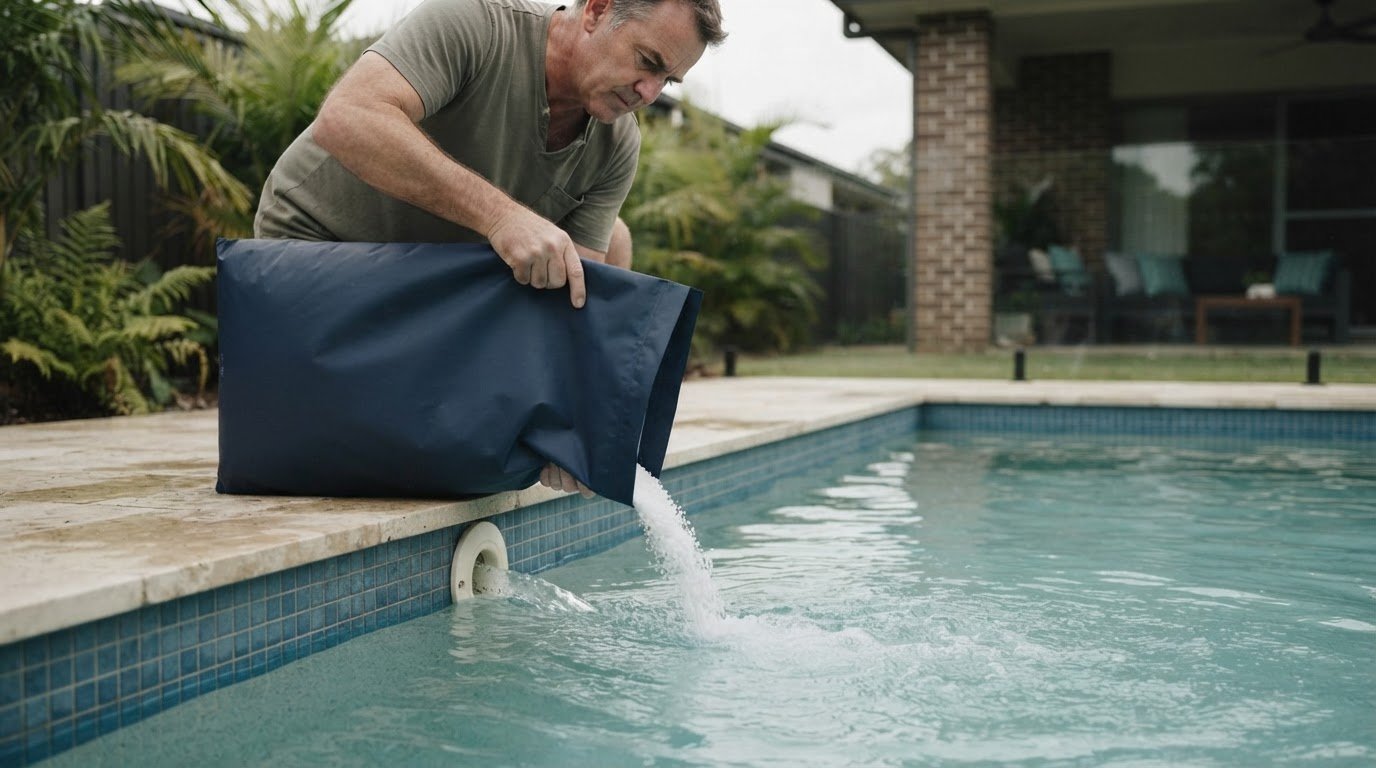
Using the wrong salt can put the water outside the system’s intended range and interfere with chlorinator operation. Before adding salt, check that it’s intended for pool use and matches the equipment instructions. Test the water regularly and keep it balanced. If your skin feels irritated after swimming, rinse promptly, pat it dry after showering and apply a thick, bland moisturiser with emollient.
Summer factors that can increase irritation
During an Australian summer, longer swims and repeated pool exposure can leave sensitive skin feeling dry or uncomfortable. Both water balance and time spent swimming can affect how your skin and eyes feel.
Swimming-related skin dryness and irritation
Swimming-related dryness is skin discomfort after water exposure, sometimes accompanied by tightness or itching. Repeated or prolonged time in saltwater may draw moisture from sensitive skin, while chlorine can affect its natural oils. The effect may be more noticeable during peak swimming season, from July through September, for people with eczema or other skin conditions. Rinsing after swimming helps remove pool water from the skin.
Signs of post-swim skin irritation
After swimming, irritation may appear as dry, itchy, red or tight-feeling skin. Notice where it occurs and whether it follows a swim in a chlorine pool or a saltwater pool. That pattern can help you tell a short-lived response from discomfort that keeps returning after exposure. Rinse with fresh water, pat your skin dry, then apply a thick, bland moisturiser with emollient.
Saltwater and eye irritation
Pool water can irritate the eyes, including in saltwater pools. Its salt concentration is lower than the ocean’s, but that alone doesn’t explain every swimmer’s eye discomfort. Water balance matters too. If your eyes sting after swimming, rinse them with clean water and note whether it happens in different pools or just one.
PH and eye irritation
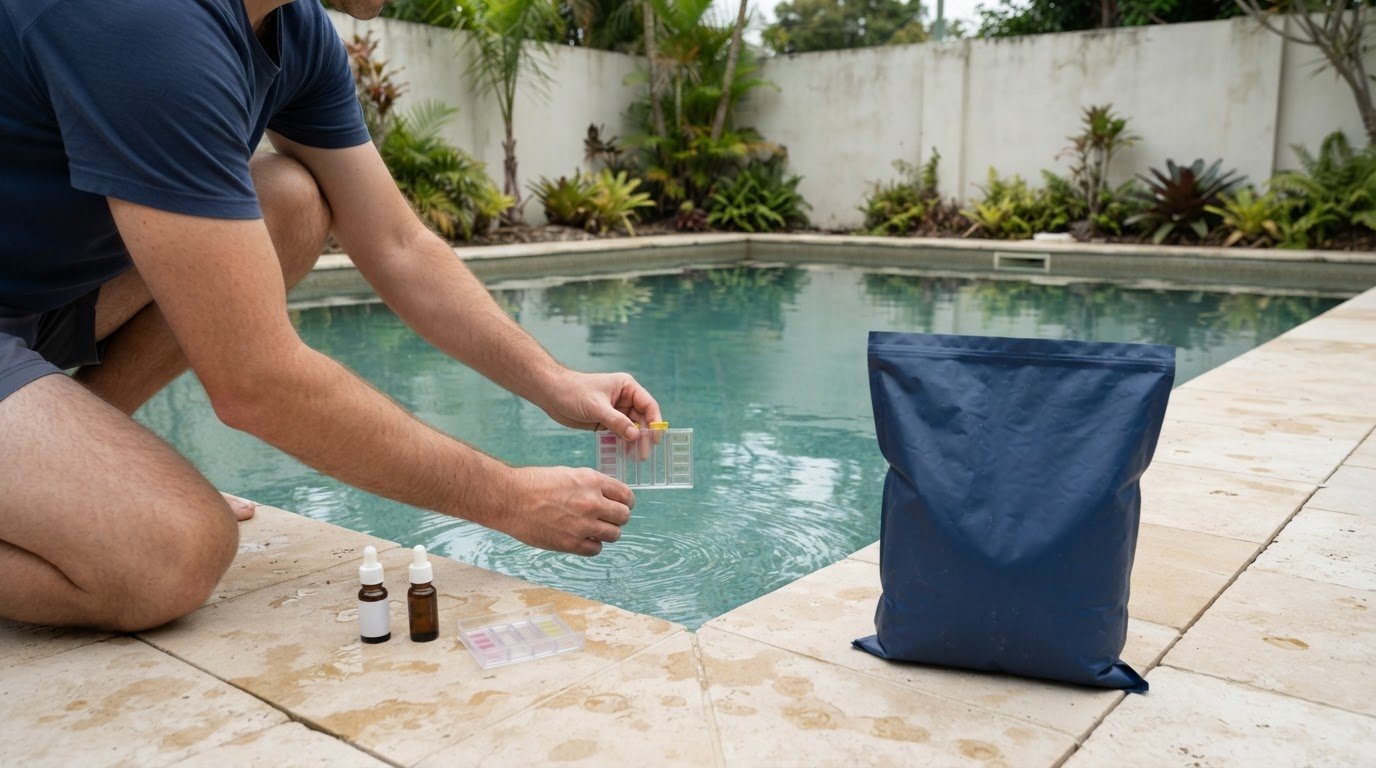
Pool pH can contribute to eye irritation even when chlorine levels are normal. Red or stinging eyes after swimming, for example, may reflect water balance rather than excess chlorine alone. Test pH alongside chlorine, particularly after heavy use or a heatwave, and adjust the water according to the pool system’s instructions. Balanced water can help distinguish a pool issue from skin sensitivity.

Is a magnesium pool better than chlorine for eczema?
A magnesium pool still needs sanitised, balanced water. Magnesium alone can’t tell you whether swimming will be comfortable for someone with eczema.
Pool water options for eczema and babies
Pool options include conventional chlorine pools and saltwater systems, which also produce chlorine. Neither removes the need to manage water balance or consider how skin responds. If a baby has eczema or another diagnosed skin condition, parents should consult a healthcare professional before swimming. Pool choice alone can’t determine whether exposure will trigger symptoms.
Magnesium and potassium in pool water
Magnesium and potassium are minerals, but their presence alone doesn’t show that pool water will soothe eczema. Mineral pools can still rely on high salt levels to keep water sanitary, and saltwater systems still use chlorine. The sanitising chemical helps control bacteria. For swimming comfort, consider the complete pool treatment and water balance, not just a mineral named on a product label.
Water softness and swimming comfort
Water softness describes how pool water feels, but it doesn’t prove that irritation will be prevented. A harsh-feeling swim may relate to water balance, chlorine exposure or sensitive skin. To reduce irritation in a saltwater pool, rinse your skin with fresh water after swimming, pat it dry and apply a thick, bland moisturiser with emollient. Test and balance the water regularly.
Pool salt purity and mineral content
Choose pool-grade salt intended for your salt chlorinator, and follow the equipment manufacturer’s recommended salt range. There isn’t one universal purity or mineral-content figure for every system. Check the product information for its ingredients and intended pool use, rather than assuming table salt or rock salt is interchangeable. Suitable salt and the correct level matter because they can affect chlorinator operation and water balance.
Salt in saltwater pools is present at a lower level than in ocean water and is gentler on the eyes. Rinse skin immediately after chlorine or salt water exposure to help prevent drying and irritation.
Potential effects on eczema and psoriasis
Eczema and psoriasis affect the skin barrier, so pool exposure can feel uncomfortable when skin is already dry, cracked or inflamed. Saltwater pools may feel gentler to some swimmers, but they still contain chlorine and salt. Saltwater may feel different for some people with eczema or psoriasis, but it isn’t a treatment or a reliable way to prevent symptoms. Water balance and skin condition both matter.
In Australia, about 4% of people have chronic skin conditions such as eczema, dermatitis and psoriasis, according to the Australian Bureau of Statistics. During summer, frequent swimming can add repeated exposure to pool water, sun and heat. Long or repeated saltwater swims may draw moisture from sensitive skin and leave it feeling dry or tight. A pool that feels comfortable one day may feel different when skin is already irritated.
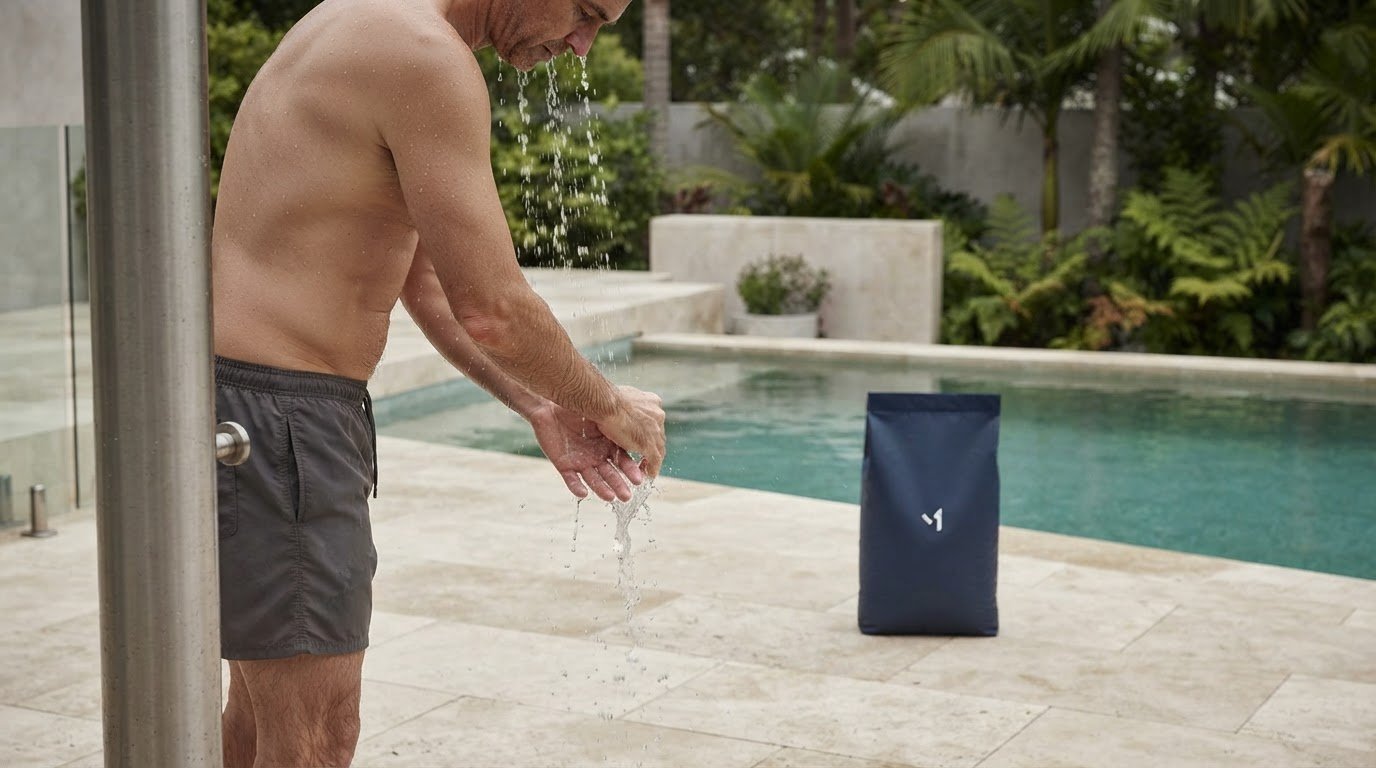
Pay attention to what happens after each swim. Note whether dryness, redness, itching or discomfort appears, and whether it settles or worsens after you return to the pool. This pattern helps you understand how exposure affects your skin. Avoid swimming with open or badly inflamed areas, as water can sting and aggravate discomfort. Rinse after swimming, pat your skin dry and apply a thick, bland moisturiser with emollient.
If swimming-related symptoms continue for more than a day or two, seek professional advice. A health professional can consider the location and severity of symptoms, the condition of your skin barrier and whether symptoms follow pool exposure. Recurring irritation after swims, for example, may call for a review of both skin care and pool conditions. Keep a simple record of swims and symptoms to make that discussion more useful.
Magnexa: magnesium pool salt
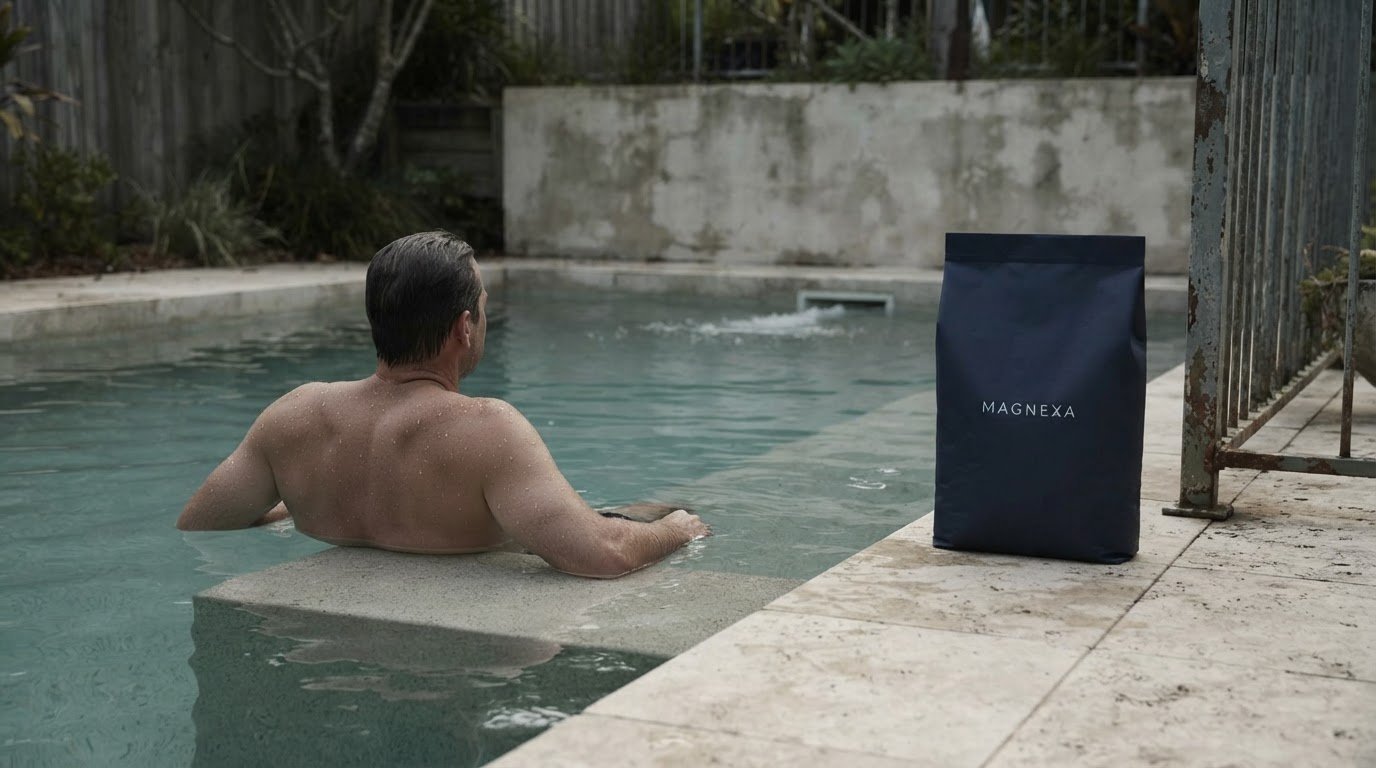
Magnexa supplies magnesium pool salt for owners considering a mineral pool conversion or adjusting their pool’s mineral treatment. Its magnesium salts are packaged to soften pool water and support skin wellness, but they don’t replace the need for balanced, sanitised water.
Pool minerals are available in 10 kg and 25 kg bags. Choose the format that suits your pool’s dosing needs, and follow the salt system manufacturer’s recommended range. The right mineral treatment can be part of a pool setup focused on water feel, while skin comfort still depends on water balance and individual response.
If you’re weighing up magnesium pool salt for your pool, contact Magnexa to discuss your requirements.
Choose the next step for your pool
Choosing pool salt that is gentle on skin starts with matching the mineral treatment to your pool system and priorities. Skin responses vary, so weigh comfort alongside proper sanitisation and water balance. A mineral change is a pool decision, not a substitute for managing eczema or psoriasis.
Magnexa offers magnesium pool salt, including Pool minerals 10kg and Pool minerals 25kg. These options give pool owners a practical starting point when considering a mineral pool conversion or treatment. The suitable choice depends on your pool and its dosing requirements.
Before changing your pool, consider what you want from the water and how your current system operates. This helps you identify a suitable pool option without treating any salt as a guaranteed solution for skin irritation.
Contact Magnexa to discuss pool options and take the next step towards a pool setup that suits your needs.
Frequently Asked Questions
How does a mineral pool benefit your skin?
A mineral pool may feel softer during a swim, but pool salt that is gentle on skin doesn’t treat skin conditions or guarantee fewer symptoms. Mineral composition and water balance affect how pool water feels, and individual responses vary. If you’re comparing options, notice whether your skin feels tight or comfortable afterwards, then weigh that alongside the sanitising system and its maintenance requirements.
Is saltwater better for sensitive skin?
Saltwater isn’t automatically better for sensitive skin. Choosing pool salt that is gentle on skin won’t make a saltwater system chlorine-free, because the system generates chlorine to sanitise the water. Some swimmers find these pools gentler than conventional chlorine pools. Compare how your skin feels after swimming and whether the water is balanced. “Saltwater” describes the system, not a guaranteed skin benefit.
Does pool salt affect skin dryness, irritation or eczema?
Pool exposure can coincide with dryness or irritation, especially if your skin is sensitive or affected by eczema. Salt alone doesn’t establish the cause: water balance, time in the pool and your skin’s condition may all be relevant. After swimming, rinse with fresh water, pat your skin dry and moisturise. If symptoms persist beyond a day or two, seek professional advice.
Can saltwater pools irritate sensitive skin or eyes?
Yes. Saltwater pools can still irritate sensitive skin or eyes because they contain sanitising chlorine, and pool pH can also contribute to eye discomfort. If your eyes sting, rinse them with clean water and don’t assume salt level is the only cause. For your skin, notice whether irritation follows a particular pool or swim, then rinse after exposure and moisturise.
Frequently Asked Questions
More articles